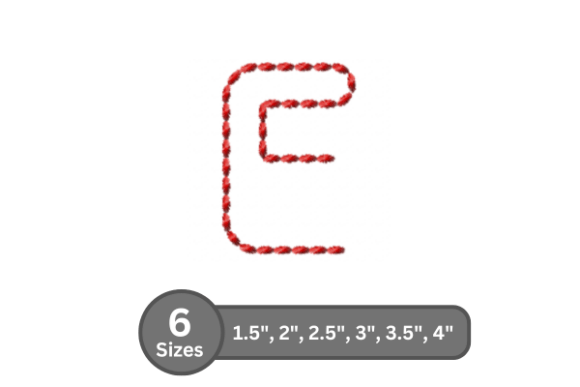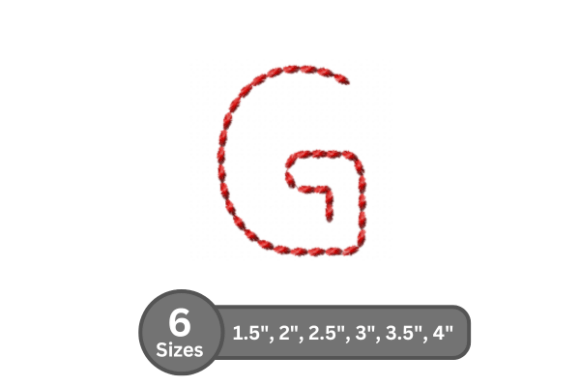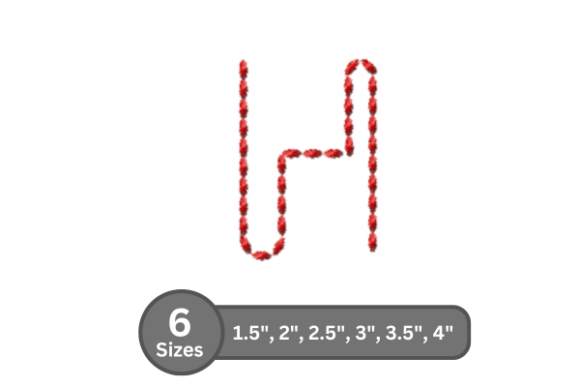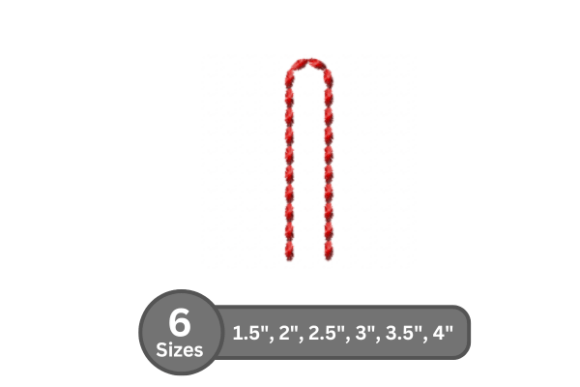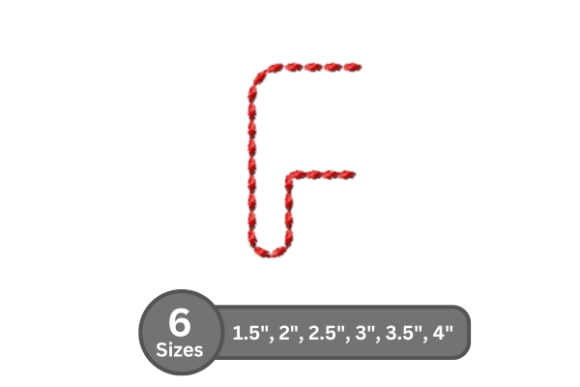
Soft Cord Alphabet -F
A Designer’s First Stitch with Soft Cord Alphabet -F
When I opened the Soft Cord Alphabet -F embroidery file for the first time, I wasn’t just scanning a font—I was sizing up how it would live on real fabric. This isn’t a sharp, high-contrast monospace or a playful script. It’s soft, rounded, and quietly confident—like handwriting that’s been gently smoothed by time and care. The fill stitch digitizing gives it body without heaviness, and the curves flow without collapsing into mush. It feels like a design made *for* people who stitch daily—not just for machines that run flawlessly.
Where It Shines: Real Projects, Not Just Pixels
Last week, I used Soft Cord Alphabet -F to embroider “Finn” onto a natural linen tote bag for a local boutique’s back-to-school launch. No appliqué, no satin-stitch outlines—just clean fill stitch lettering at 3.2" wide. The result? A tactile, slightly organic presence—soft enough for nursery decor, grounded enough for teacher appreciation gifts. That’s the sweet spot: personalized baby items, embroidered tea towels for classroom welcome kits, and custom sweatshirts for school staff. It reads clearly at medium scale (2.5"–4"), holds warmth without looking juvenile, and avoids the stiffness that can make machine embroidery feel cold or mass-produced.
I’ve also tested it on lightweight cotton poplin baby onesies—and yes, it worked, but only with tear-away stabilizer and reduced top tension. On stretchy jersey or thin voile? I’d hesitate unless the letters are larger than 2.75". The fill stitch density is generous, which builds richness but demands fabric support. For caps or curved surfaces, I’d avoid anything smaller than 3.5" height—corners stay smooth, but tiny Fs lose definition when the hoop pulls fabric taut.
What It Says Before You Stitch a Single Thread
Soft Cord Alphabet -F doesn’t shout. It invites. That makes it ideal for handmade products where quiet intention matters—think boutique aprons for small-batch bakeries, pillow covers for pediatric waiting rooms, or holiday gift tags stitched onto organic cotton drawstring bags. Customers notice the difference between “machine-made” and “thoughtfully embroidered,” and this font leans firmly into the latter. Its consistency across letters means your “F” won’t look bolder or denser than your “A”—a subtle but critical win for brand cohesion, especially if you’re selling digital embroidery files or building a shop identity around soft, school-inspired aesthetics.
It’s not built for dense decorative borders or tight monograms. Don’t force it into 0.75" lettering on a patch edge—it’ll blur. And while it works beautifully on light and mid-tone fabrics, dark backgrounds require careful thread color testing: matte black thread on charcoal twill reads softer than glossy polyester, and both behave differently under indoor lighting versus natural daylight.
Practical Notes Every Embroidery Designer Should Check
- Test before committing: Run Soft Cord Alphabet -F on scrap fabric matching your final project’s weight, weave, and stretch—even if it’s just a corner of the same towel or tote lining.
- Stabilizer isn’t optional: Medium-weight cutaway works best for knits; tear-away + light iron-on is reliable for stable wovens like canvas or linen.
- Thread contrast changes everything: Try the same design in ecru on oatmeal linen vs. navy on cream cotton—it’s two different moods. Print a black-and-white mockup first to gauge visual weight.
- Hoop size matters more than you think: At 3.2", this F fits comfortably in a 4x4 hoop—but check your machine’s actual stitching area. Some hoops leave ⅛" unusable margin.
- Licensing clarity is non-negotiable: If you’re an Etsy seller or craft fair vendor, confirm whether Soft Cord Alphabet -F permits commercial use of finished embroidered goods. When in doubt, reach out to the designer before listing your first “personalized school tote.”
Why It Fits School—and Why It Goes Beyond
The School category fits Soft Cord Alphabet -F well—not because it’s cartoonish or academic, but because it carries sincerity, approachability, and quiet craftsmanship. It suits classroom name tags, library book sleeves, and embroidered PE uniforms without feeling institutional. But don’t box it in. I’ve used it for wedding guestbook pillows (“Forever”), baby milestone blankets (“First Day”), and even small-batch kitchen towel sets for a café’s “Farm-to-Table” rebrand. Its strength lies in versatility rooted in restraint.
Final Thought: Does It Feel Like Yours?
That’s the question I ask every time I open a new embroidery file. Does it match the voice of my work? Will my customers feel the care behind it? With Soft Cord Alphabet -F, the answer is yes—if your brand values softness over flash, clarity over clutter, and handmade authenticity over digital perfection. It won’t solve every embroidery challenge, but it solves the right ones: legibility without rigidity, charm without cliché, and professionalism that still breathes.
Whether you're stitching one custom sweatshirt or scaling a craft business with dozens of school-themed embroidery projects, Soft Cord Alphabet -F earns its place as a trusted design asset—not just another font in the folder.