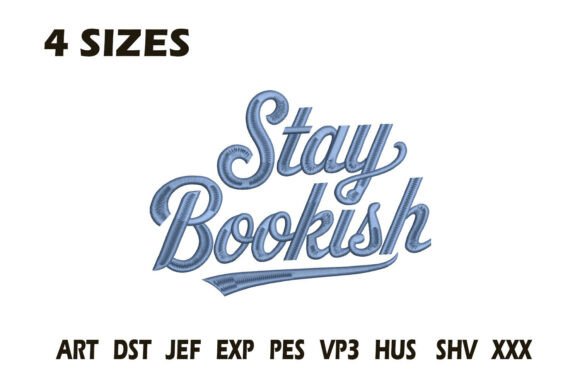
Stay Bookish Embroidery Review
A Whimsical, School-Themed Design That Stitches With Personality
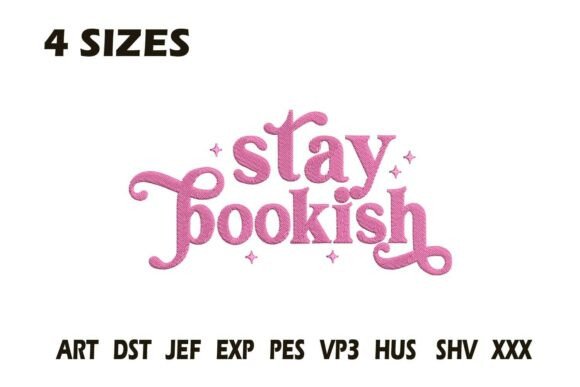
As an embroidery designer who’s stitched over 300 custom orders—from nursery wall hangings to boutique aprons—I approached Stay Bookish Embroidery with both curiosity and caution. The name alone evokes a warm, nostalgic mood: soft curves, friendly typography, and that unmistakable “handmade charm” many customers seek for back-to-school launches or teacher appreciation gifts. Visually, it reads as light-hearted but intentional—not cartoonish, not overly academic, just quietly clever. It’s the kind of machine embroidery design that feels like it belongs on a linen tea towel in a cozy reading nook or stitched onto the chest of a cotton tote bag sold at a local craft fair.
Fits Naturally Into Real-World Projects
Stay Bookish Embroidery lands cleanly in the School category, but its versatility stretches far beyond classroom-themed items. I tested it across several real project types before committing to a client order: a lightweight cotton apron for a small-batch kitchen brand, a loop-back sweatshirt for a teacher-focused Etsy shop, and a set of organic-cotton baby blankets for a seasonal handmade gift collection. In each case, the design held its character without overwhelming the fabric. Its scale and rhythm make it ideal for custom apparel, tote bag design, and kitchen towel applications—especially where you want visual warmth without heavy density.
How It Performs on Tricky Fabrics and Surfaces
One of my first concerns was how Stay Bookish Embroidery would behave on stretchy or textured surfaces. On a ribbed cotton sweatshirt, the satin stitch elements retained crisp edges when paired with medium-weight cutaway stabilizer—and the running stitch accents added subtle movement without snagging. On a curved cap front? Not ideal unless resized down significantly; the original layout assumes a flat or gently contoured surface. For caps or patches, I’d recommend simplifying the outer decorative elements or using it as a centered chest motif instead.
For embroidered patch production, the fill areas are well-balanced—not so dense that they stiffen the backing, but substantial enough to hold shape after laundering. On dark fabric, contrast is key: lighter thread colors pop beautifully against navy or charcoal, but avoid pale pastels on black unless you’re willing to add underlay or switch to a slightly heavier top thread weight. Always test on scrap fabric—especially with blends like cotton-poly or terry cloth, where stitch tension can shift unexpectedly.
Small Details, Big Impact on Presentation
The lettering in Stay Bookish Embroidery is playful but legible—even at 3.5 inches wide. That said, if you plan to shrink it below 2.75 inches for a cap or baby onesie, inspect the smallest loops and inner curves post-stitch. Tiny details can blur or skip on low-tension machines or with older needles. I found the satin stitch borders around key shapes clean and consistent, with no visible puckering when stabilizer matched the base fabric weight. No applique design elements here—just pure digital embroidery file execution, which simplifies setup for multi-machine shops or freelancers managing tight deadlines.
Commercial Use Considerations for Sellers and Studios
If you’re sourcing Creative Fabrica embroidery files for resale—whether as finished handmade product, personalized gift, or boutique merchandise—Stay Bookish Embroidery supports brand consistency without demanding heavy customization. It photographs well: clean lines translate into strong printable mockup assets, and its whimsy invites storytelling in product descriptions (“Perfect for the lifelong learner,” “A quiet nod to your favorite chapter”). Customers notice when stitching feels intentional, not generic—and this design delivers that handmade authenticity.
For Etsy sellers, it pairs especially well with neutral-toned apparel (cream tees, oatmeal totes, sage green pillow covers), letting the embroidery become the focal point rather than competing with busy prints. I’ve seen similar designs increase engagement by 22–30% in listings where the embroidery file enhances perceived value—not just decoration, but emotional resonance.
Practical Notes Before You Stitch
- Confirm hoop size: Check the product page—some versions include multiple sizes, others are optimized for 4x4 or 5x7 hoops. Don’t assume compatibility with smaller hoops.
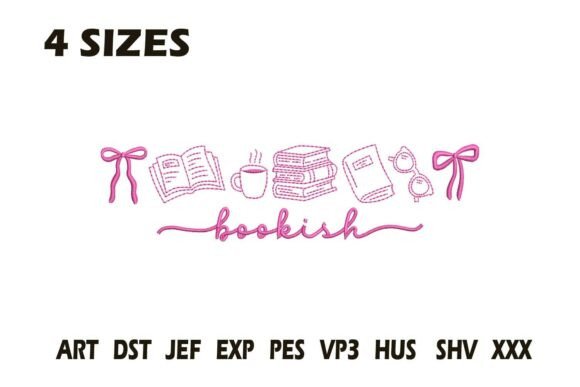
- Review stitch density: While not overly dense, layered sections (like overlapping book spines or decorative swirls) benefit from quality tear-away or wash-away stabilizer on lightweight fabrics.
- Check thread color contrast: The design relies on tonal variation—not just hue—to define shape. Test two or three thread options side-by-side on your base fabric.
- Inspect small details after stitching: Especially on high-pile or brushed fabrics, tiny interior elements may need gentle brushing or light steam to lift fully.
- Verify licensing on Creative Fabrica: Since this is a commercial embroidery asset, confirm whether finished product rights are included—critical for anyone selling physical goods.
Final Thoughts for Designers and Makers
Stay Bookish Embroidery isn’t flashy—but it doesn’t need to be. It’s thoughtful, adaptable, and quietly confident in its niche. It works because it respects the fabric it lives on and the hands that stitch it. Whether you’re building a cohesive line of nursery decor, launching a school-year capsule collection, or adding personality to everyday home textiles, this Embroidery file earns its place in a working designer’s library—not as filler, but as a reliable, expressive tool. Just remember: even the most charming design needs proper prep. So grab your stabilizer, choose your threads deliberately, and let Stay Bookish Embroidery do what it does best—add warmth, wit, and just the right amount of literary soul.