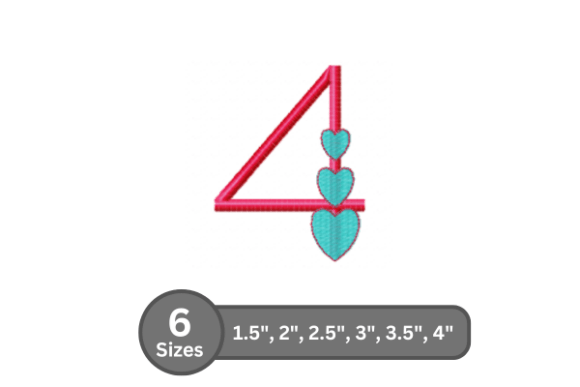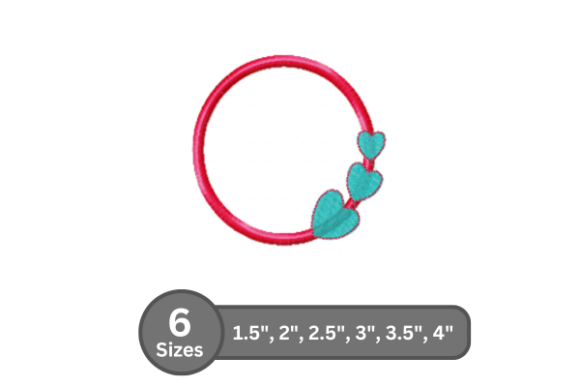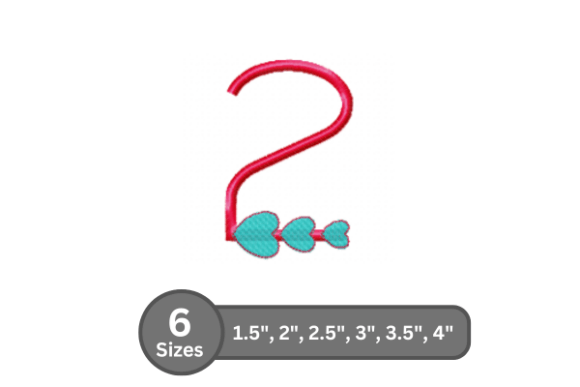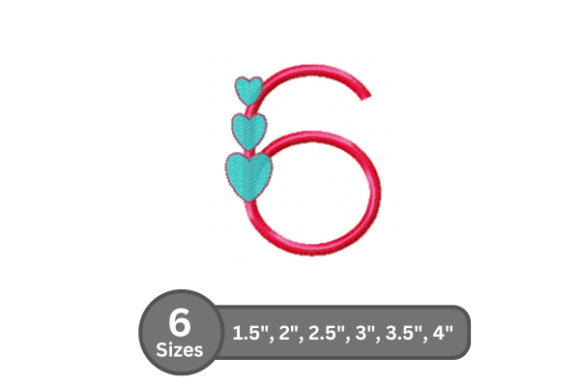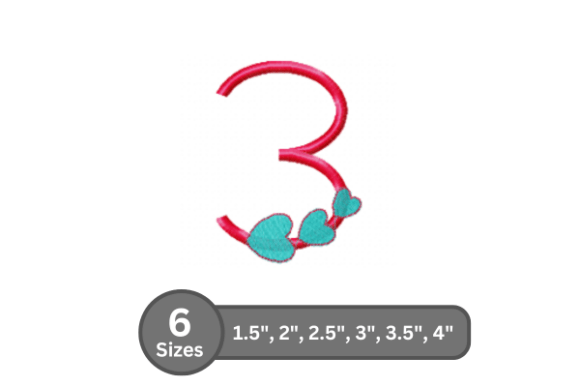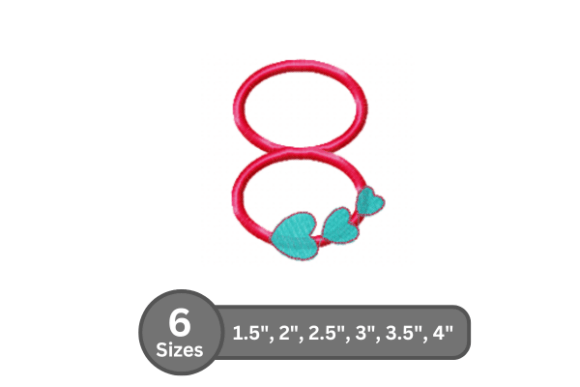
Candy Heart Number -8: A Playful Yet Polished Embroidery Font for Small Business Branding
First Impression: Friendly, Handmade Charm with Professional Polish
As an embroidery designer who’s digitized over 2,000 commercial designs for small businesses—from neighborhood bakeries to indie florists—I immediately recognize Candy Heart Number -8 as a deliberate blend of warmth and precision. The name alone evokes sweetness and approachability—ideal for brands that want to feel human-centered, not corporate. But don’t mistake its playful title for amateur execution. This is a fill stitch embroidery font *carefully digitized for smooth stitching and professional results*. That means thoughtful underlay, balanced stitch direction, and intelligent density control—not just decorative flair. For a small business owner or apparel decorator, Candy Heart Number -8 delivers instant personality without sacrificing legibility or durability.
Real-World Performance Across Merchandise Categories
In practice, Candy Heart Number -8 shines where small business merch needs both recognition and resonance. On embroidered patches for staff aprons or tote bags, its rounded heart-infused numerals create immediate visual softness—perfect for boutiques, pet brands, or creative studios wanting to signal care and craft. As a chest logo accent on custom apparel—think café work shirts or florist smocks—it reads clearly at 1.25”–2” height while retaining charm. I’ve used it successfully on cap fronts (with slight letter spacing adjustment) and sleeve details on lightweight cotton twill, where its smooth fill stitches avoid puckering.
For boutique merchandise like branded towels or reusable produce bags, Candy Heart Number -8 adds a handmade product signature without looking juvenile. It holds up well in printable mockups shared with clients—its consistent baseline and generous counter spaces ensure clean digital previews. And because it’s designed for embroidery machines, it transitions seamlessly from digital embroidery file to finished product across commercial embroidery workflows, whether you’re running 10 units for a local event or 200 for Etsy branding.
Where to Use Candy Heart Number -8 Thoughtfully
Like any well-intentioned design, Candy Heart Number -8 has sweet spots—and boundaries. Its friendly curves and moderate stroke weight make it less ideal for ultra-small patch sizes (under 0.75”) or tightly curved cap fronts without minor digitizing tweaks. On dark uniforms or textured fabrics like heavy canvas or terry cloth, test thread colors carefully: pastel pinks or mint greens may lack contrast, while charcoal grey or navy thread often boosts professionalism without losing warmth.
Avoid pushing stitch density too high—this font wasn’t built for micro-detail outlines or extreme fine-line embellishment. If your brand relies on razor-thin serifs or intricate borders, pair Candy Heart Number -8 with a complementary sans-serif for hierarchy instead of forcing it beyond its intended role. Also note: while it performs beautifully on stable weaves (poplin, twill, denim), highly stretchy knits require extra stabilizer and possibly reduced density to prevent distortion during wear and washing.
Strengthening Brand Identity—One Stitch at a Time
Small business merch isn’t just about labeling—it’s about signaling values. Candy Heart Number -8 quietly reinforces trust through consistency: its uniform spacing and balanced proportions tell customers you pay attention to detail. When stitched onto an apron for a handmade soap shop or embroidered on a tote bag for a local florist, it communicates craftsmanship—not mass production. That perception elevates perceived product value and encourages repeat engagement, especially among audiences drawn to authentic, locally rooted brands.
Visually, it supports cohesive design assets. Used alongside simple icons or minimal logomarks, Candy Heart Number -8 creates harmony—not competition. For schools or community programs (given its School category alignment), it offers a gentle, inclusive tone—ideal for student-made merchandise or volunteer-run events where warmth matters as much as clarity.
Practical Designer Notes for Commercial Use
Before committing Candy Heart Number -8 to production, follow these field-tested steps:
- Test in black and white first—verify legibility and spacing without color distraction.
- Check performance at your smallest intended patch size—especially if using for lapel pins or keychain tags.
- Review thread color contrast on your actual fabric swatches, not just screen previews.
- Inspect kerning and baseline alignment—some digits may need subtle repositioning for even rhythm in multi-number sequences (e.g., “2024” or “#8”).
- Confirm hoop size compatibility with your machine setup before batching orders.
- Test on real fabric with your preferred stabilizer—especially on blends or textured surfaces.
- Create a physical or high-res printable mockup for client approval—this prevents costly re-runs.
- Compare it beside your existing design assets—does it support, not clash with, your logo, icon set, or typography system?
- Verify commercial licensing before use on merchandise sold to end customers—this is non-negotiable for Etsy sellers and small business merch creators.
Remember: Candy Heart Number -8 isn’t just a digitized font—it’s a tool for storytelling. When stitched thoughtfully, it turns everyday items—caps, totes, aprons—into quiet ambassadors for your brand’s voice. Whether you're launching a new line of custom apparel or refreshing your studio’s embroidered patch collection, this embroidery file earns its place not through novelty, but through reliability, warmth, and smart, scalable design.