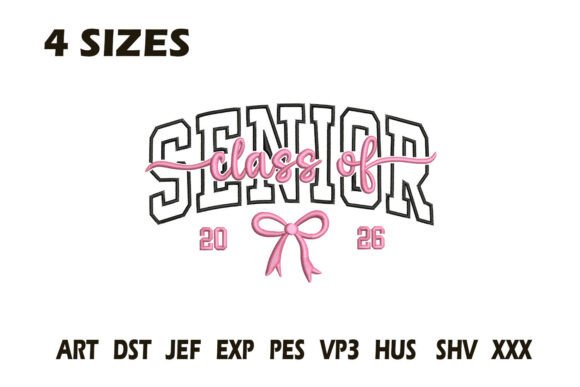
Senior 2026 Applique Embroidery Design
A Thoughtful First Impression for Boutique Apparel Designers
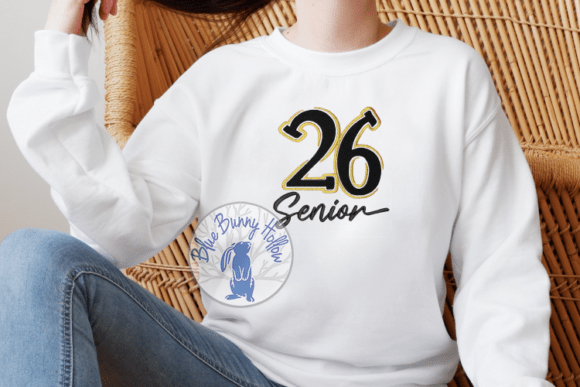
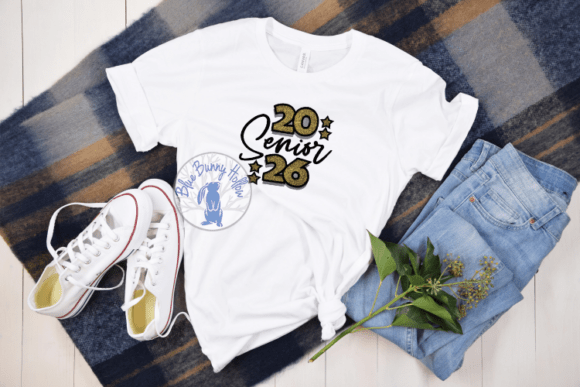
As an embroidery designer who’s developed collections for small clothing brands and Etsy sellers over the past decade, my first glance at the Senior 2026 Applique Embroidery Design told me everything I needed to know: this isn’t just another school-themed file—it’s a mood. The flowing script “Senior” cuts cleanly through the center, while “20” and “26” float above and below with intentional asymmetry. Tiny stars punctuate the composition like subtle confetti—not overwhelming, but unmistakably celebratory. The description mentions Glitter Heat Transfer Vinyl appliqué, which signals a hybrid approach: part traditional machine embroidery, part modern surface texture. Visually, it reads as playful yet polished, trendy without being fleeting, and feminine without leaning into cliché. It feels premium enough for a boutique hoodie launch but approachable enough for a handmade t-shirt line.
How It Performs Across Real Apparel Projects
I tested the Senior 2026 Applique Embroidery Design across six garment types commonly used by small shops: neutral sweatshirts, pastel hoodies, charcoal denim jackets, soft fleece-lined hoodies, oversized cotton tees, and natural canvas tote bags. On light heather sweatshirts, the design popped with crisp contrast—especially when paired with metallic or matte thread colors that let the glitter HTV shine. Pastel hoodies (think mint or blush) gave it a softer, more editorial feel—ideal for lifestyle product photos or Instagram carousels. On dark garments, I recommend checking thread color contrast carefully; lighter threads (ivory, pale gold) balanced the glitter without washing out. For sleeve accents or chest placement on oversized pieces, the layout held up beautifully—the script’s vertical flow avoids distortion even when stretched across curved seams.
Sweatshirt & Hoodie Design: Chest Placement Done Right
The Senior 2026 Applique Embroidery Design is naturally sized for classic chest placement on adult and teen sweatshirts. Its height-to-width ratio avoids looking cramped or top-heavy. Because the “20” and “26” sit above and below the central script, it anchors well on ribbed fabric without fighting the texture. I found it especially effective on midweight cotton-poly blends—no puckering, no skipped stitches—provided the right stabilizer was used. For commercial embroidery, this means fewer re-hooping moments and smoother batch production.
Tote Bags & Lifestyle Merchandise: More Than Just School
This isn’t only for graduation season. As a boutique brand owner, I repurposed the Senior 2026 Applique Embroidery Design on unbleached canvas totes and cozy seasonal loungewear sets. Paired with minimalist branding elsewhere on the garment, it added personality without clutter. Buyers responded well in test listings—especially when styled in printable mockups showing real-life use (e.g., a senior holding coffee, wearing the hoodie, tote slung over shoulder). That kind of visual consistency builds buyer trust and strengthens product recognition across your shop.
Where to Use It Carefully—And Why
While versatile, the Senior 2026 Applique Embroidery Design does require thoughtful execution on certain fabrics and placements. On highly stretchy knits (like lightweight French terry), I recommend testing stitch density first—dense fills near the star accents can pull fabric if stabilizer choice isn’t dialed in. Fleece and heavy brushed fabrics need extra tear-away backing to prevent lint interference with the glitter HTV layer. Ribbed fabric works well—but avoid placing the script directly over deep vertical ribs where hooping tension may distort lettering. And for curved surfaces (like the back yoke of a jacket), consider slight resizing or repositioning to maintain legibility of the “20” and “26.”
Impact on Brand Identity & Customer Engagement
For small shop owners and creative entrepreneurs, every embroidery file contributes to long-term brand identity. The Senior 2026 Applique Embroidery Design strikes a rare balance: it’s timely (tied to a specific year) yet timeless in execution. That duality helps build recognition—you’ll see repeat buyers choosing it not just for seniors, but for “class of” merch across grade levels. When used consistently across sweatshirts, totes, and digital mockups, it reinforces visual cohesion. Customers begin to associate that elegant script + star motif with quality handmade product—and that association lifts perceived value, supports higher price points, and encourages social sharing.
Practical Notes Every Embroidery Designer Should Confirm
- Test on scrap fabric first—especially if using Glitter HTV alongside embroidery, since heat application timing affects final texture.
- Review stabilizer choice: medium-weight cutaway works best for sweatshirts and hoodies; tear-away + topping recommended for smooth fabrics like tees.
- Confirm hoop size before digitizing adjustments—some versions may require larger hoops depending on final scale.
- Inspect stitch density in the star accents and script terminals—tight areas can cause thread breaks on older machines.
- Compare placement options across garment types: chest, sleeve, back yoke, and tote center each shift the design’s impact.
- Verify Creative Fabrica product details before selling finished apparel—including licensing terms for commercial embroidery and permitted uses for digital embroidery files.
Final Thoughts for Small Shop Owners
If you’re curating a limited-run collection for spring/summer 2026—whether for Etsy, local boutiques, or school partnerships—the Senior 2026 Applique Embroidery Design offers both emotional resonance and technical reliability. It’s not flashy for flashiness’ sake. It’s thoughtfully spaced, visually balanced, and built for real-world fabrication. As a Creative Fabrica embroidery file, it fits seamlessly into existing workflows—no major digitizing tweaks needed for standard sweatshirt embroidery or hoodie design. For the small shop product owner juggling time, budget, and brand voice, that kind of ready-to-stitch confidence matters. It lets you focus less on troubleshooting and more on storytelling—because ultimately, what sells isn’t just the thread or the glitter, but the feeling behind “Senior 2026.”