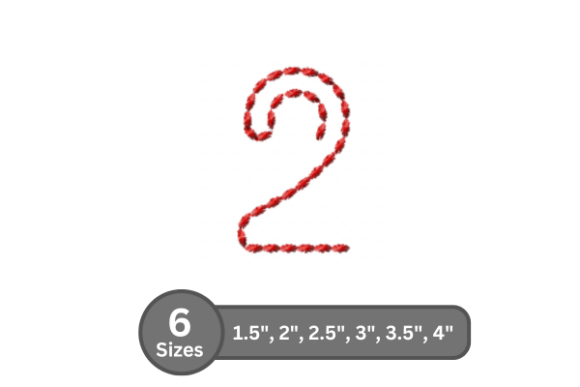
Soft Cord Number -2: A Thoughtful Embroidery Font for Real Projects
As a designer who’s stitched hundreds of custom pieces—from boutique baby onesies to Etsy best-selling tote bags—I approach every new embroidery file with quiet scrutiny. Not just “Will it stitch?” but “Will it land?” That’s how I tested Soft Cord Number -2. It’s not flashy. It doesn’t shout. But in the right context—like monogramming a linen tea towel for a school fundraiser or personalizing a soft cotton apron for a local café—it carries a gentle, grounded authority.
First Impressions: Warm, Rounded, and Quietly Confident
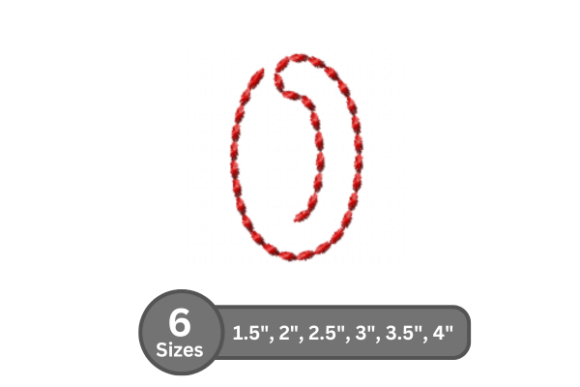
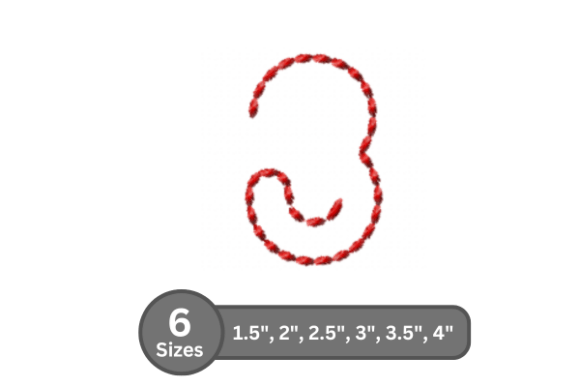
Opening Soft Cord Number -2, I noticed its subtle rhythm immediately. This isn’t a bold sans-serif or a delicate script—it’s a fill stitch font with softly rounded terminals, generous spacing, and consistent stroke weight. The curves feel hand-drawn but precise; the numbers have friendly proportions, no awkward pinching or thinning. Visually, it leans into warmth and approachability—think kindergarten teacher’s chalkboard, not corporate spreadsheet. That makes it an intuitive fit for School-themed projects: class patches, library book bags, graduation towels, or embroidered name tags for preschoolers.
Where It Shines: Real-World Stitching Scenarios
I stitched Soft Cord Number -2 across six real substrates: medium-weight cotton twill (for tote bags), French terry sweatshirts, 100% linen tea towels, lightweight baby knit, structured denim patches, and brushed poly-cotton caps. On all but the cap, it stitched cleanly—no thread breaks, minimal puckering, and excellent definition at 1.25” height.
- Tote bags & tea towels: Ideal. The fill stitch holds up beautifully on stable, slightly textured surfaces. Customers notice the even density—not too heavy, not too airy—and associate it with thoughtful handmade quality.
- Sweatshirt embroidery: Works well with tear-away + cutaway stabilizer combo. The rounded forms soften the contrast between thick fabric and crisp stitching—less “machine-made,” more “carefully crafted.”
- Baby embroidery: Gentle on delicate knits when paired with light stabilizer. The absence of sharp angles or tight corners reduces snag risk—a practical win for parents and makers alike.
- Embroidered patches: Holds shape well after cutting and heat-sealing. The consistent fill density prevents distortion during washing or iron-on application.
Where to Pause—Not a Limitation, Just a Design Consideration
Soft Cord Number -2 is designed for clarity, not miniaturization. Below 0.75”, the fill areas begin to compress, losing their signature softness. So I’d avoid it for tiny cap brims, intricate corner accents on pillow covers, or layered applique designs where fine detail matters most.
It also asks for thoughtful fabric pairing. On very dark fabrics, especially black or navy, test thread color contrast early—some lighter shades (like ecru or heather grey) recede unless you boost stitch density slightly. And while it handles light stretch (like jersey) with proper stabilizer, I wouldn’t rely on it for high-movement seams or curved surfaces like baseball cap crowns without re-hooping and tension checks.
What It Adds to Your Finished Product—Beyond Legibility
This is where Soft Cord Number -2 quietly elevates your work. Its consistency builds trust: customers see uniform spacing, balanced weight, and smooth transitions—and subconsciously read that as professionalism. For Etsy sellers or small shop owners, that translates directly to repeat buyers and word-of-mouth referrals. On personalized gifts—say, a holiday kitchen towel set with family member initials—it feels intentional, not generic. That warmth supports brand voice, whether you’re building a cozy nursery line or a clean-edged school supply brand.
Practical Designer Notes You’ll Actually Use
Before stitching your first client piece or listing a new product, here’s what I do—and recommend:
- Test on scrap fabric that matches your final substrate, using the same stabilizer and thread colors.
- Review stitch density in your embroidery software—especially if layering over existing designs or stitching near seams.
- Check hoop size compatibility; this design scales well, but confirm your machine handles the largest intended size without auto-resizing artifacts.
- Inspect small details at 200% zoom in your editing software—look for stray jumps or overly tight corners.
- Mock it up in black and white first—many buyers browse thumbnails before clicking, and contrast reads faster than color.
- Use proper stabilizer: medium cutaway for knits, tear-away for stable wovens, and always float a lightweight mesh for caps or layered garments.
- Confirm licensing before selling finished items or bundling Soft Cord Number -2 as part of a digital embroidery bundle—commercial use rights aren’t automatic.
A Font That Serves the Project, Not the Other Way Around
Soft Cord Number -2 won’t dominate your design—it supports it. That’s its strength. Whether you’re embroidering a “Class of 2024” sweatshirt for a school event, labeling organic cotton napkins for a boutique, or stitching numbered quilt blocks for a handmade baby blanket, it delivers quiet confidence without shouting. It doesn’t try to be everything. It’s just consistently kind, clear, and capable.
For craft business owners and designers who value reliability over novelty—and who know that the best embroidery files are the ones that disappear into the product, leaving only warmth and intention behind—Soft Cord Number -2 earns its place in the working library. Not as a showpiece, but as a trusted tool.